
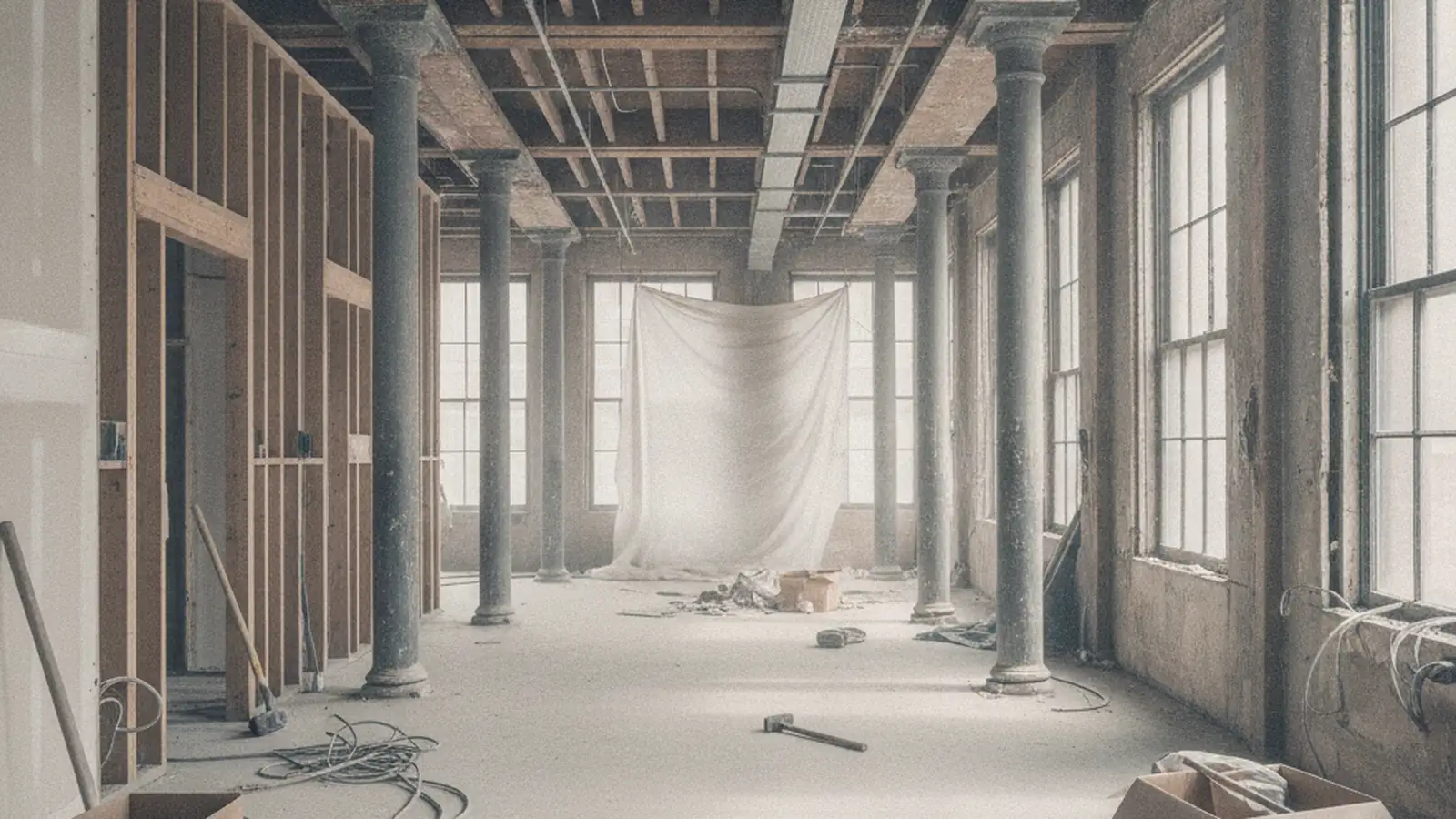
Manhattan, NY
Demolition Contractor in Manhattan
We strip out offices, apartments, shops and loft space across Manhattan. In this city the work almost always happens in a building that is still open, still occupied, and still running on someone else's schedule.
- Based at144 W 38th St, Garment District
- WorkingManhattan, borough wide
- Call(929) 693-6836
The building decides how the job runs
Not the other way round.
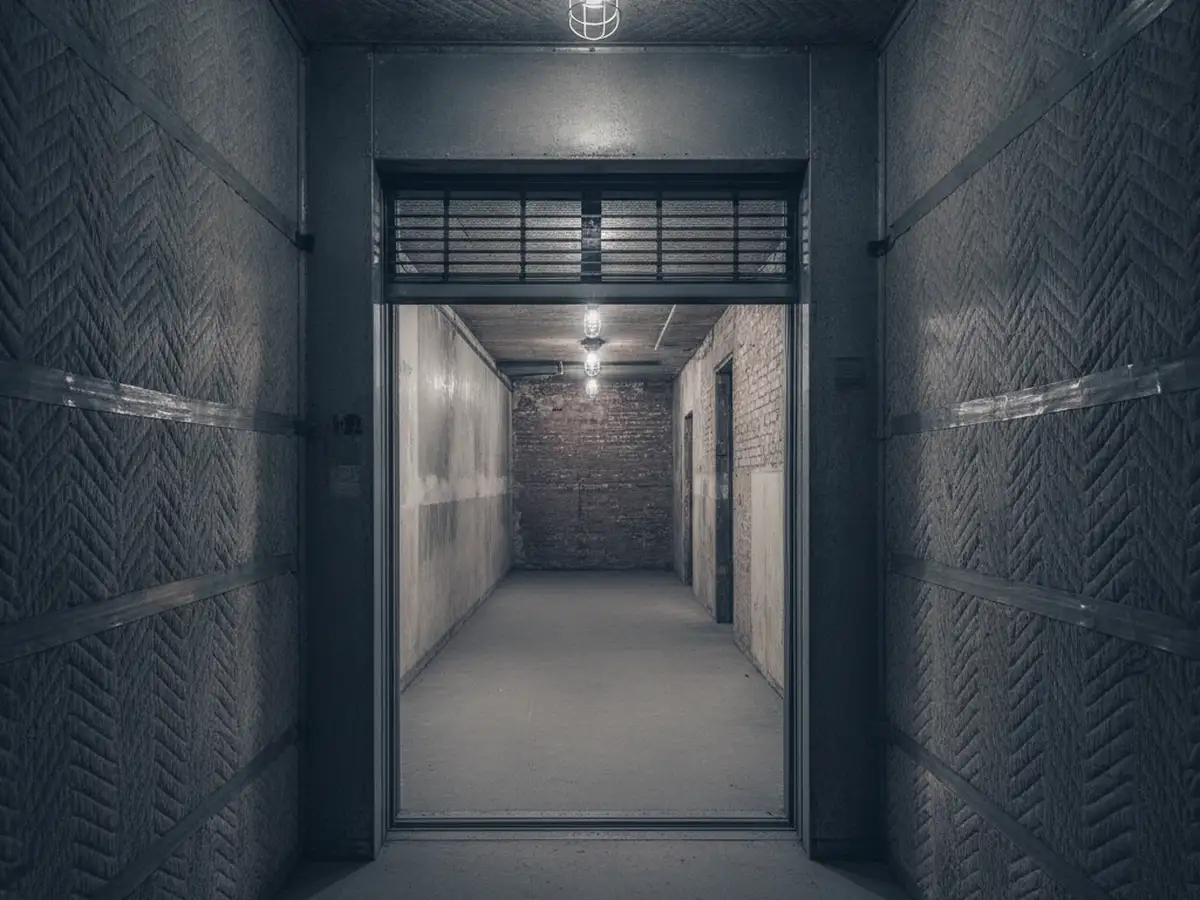
Breaking things out is the easy part. In Manhattan the difficulty is everything around it.
One freight elevator serves the whole building, and you get it for four hours on a Tuesday. The stair is the only way down and it is thirty inches wide. Two floors up, people are working. The board wants your paperwork before anyone lifts a tool, and the city has its own view about what time you can start.
We plan all of that before we plan the demolition. We walk the space, work out how material gets from where it is to the street, and build the sequence backwards from there. That is what keeps a job from stalling on day three.
What we take on
-
 01
Interior
Interior Demolition
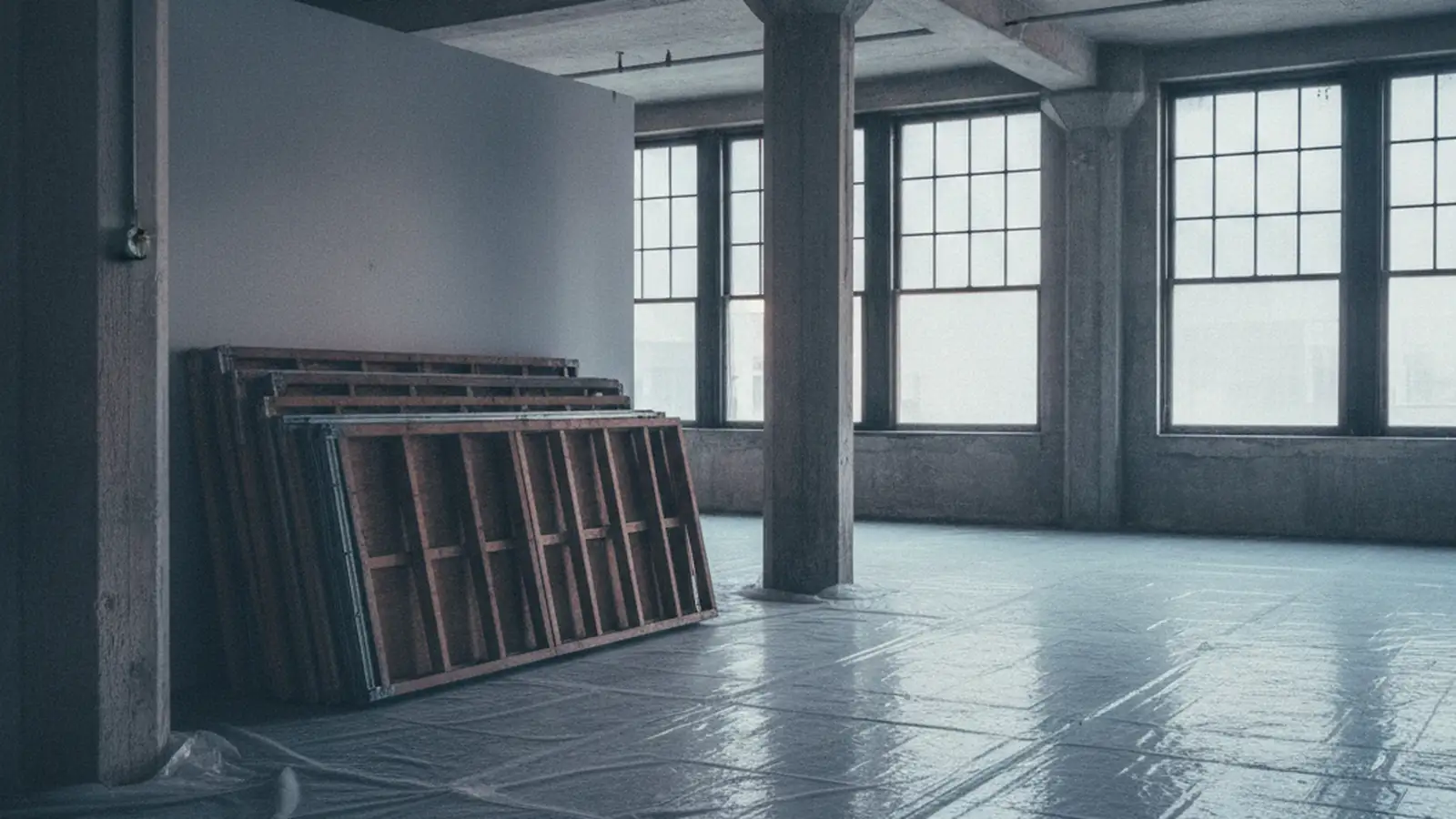
Full and partial gut-outs. We take a space back to whatever your next stage needs, whether that is bare structure or a clean shell with the services left live.
Interior demolition
01
Interior
Interior Demolition
Full and partial gut-outs. We take a space back to whatever your next stage needs, whether that is bare structure or a clean shell with the services left live.
Interior demolition
-
 02
Commercial
Commercial Demolition
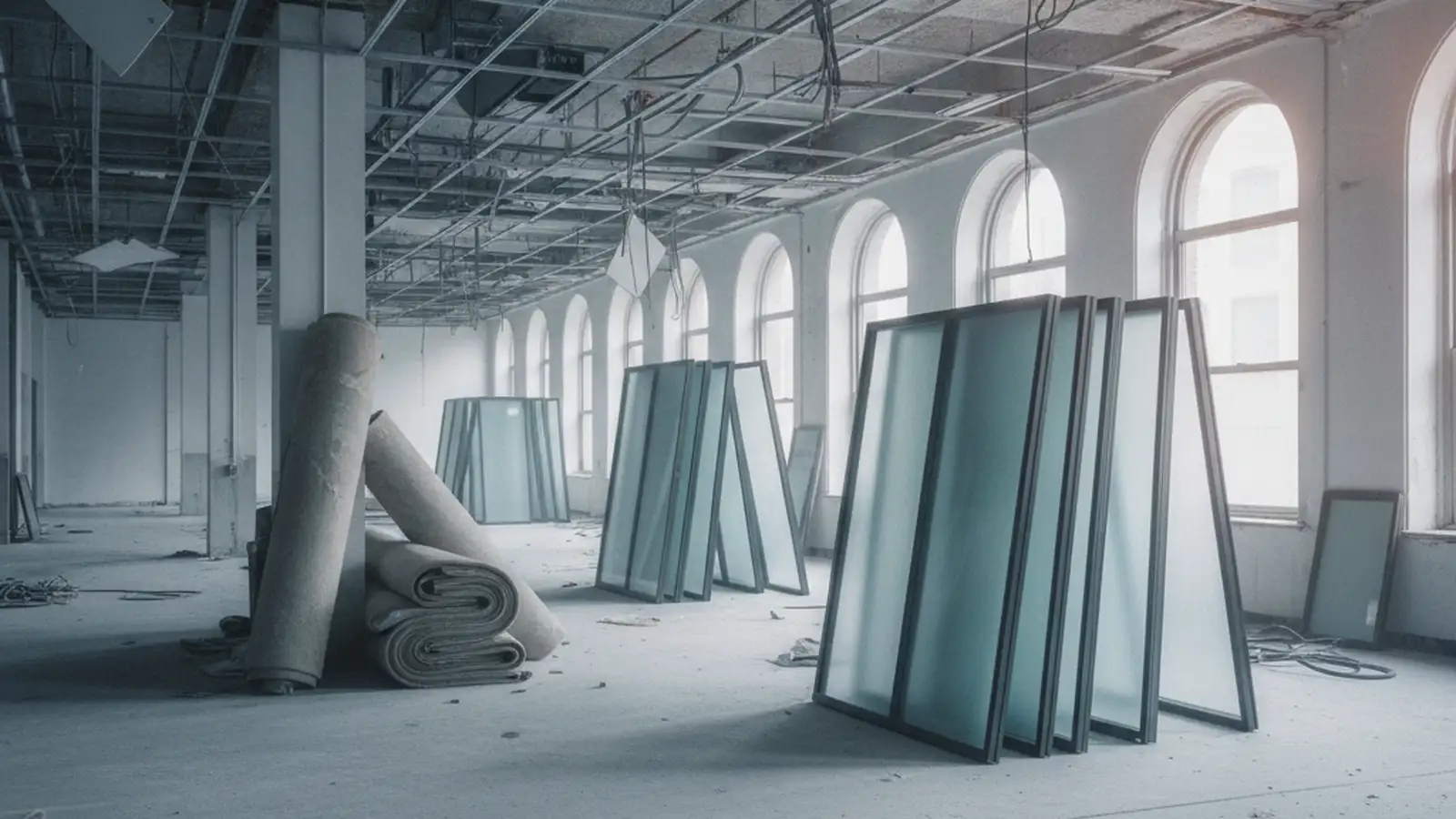
Offices, shops, restaurants and showrooms. We work to a fit-out schedule and around the tenants who are staying, so the floors above and below stay usable.
Commercial demolition
02
Commercial
Commercial Demolition
Offices, shops, restaurants and showrooms. We work to a fit-out schedule and around the tenants who are staying, so the floors above and below stay usable.
Commercial demolition
-
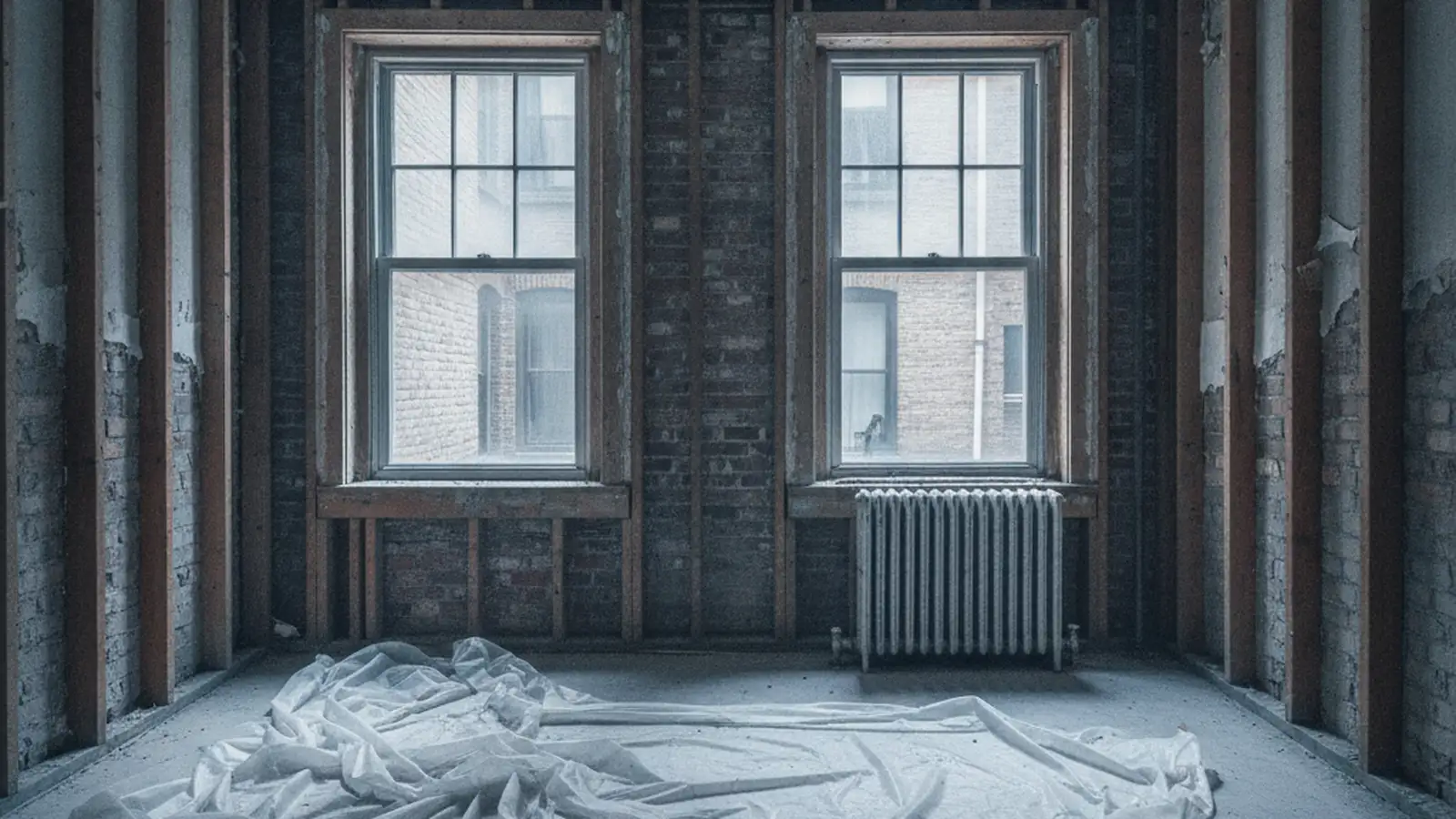 03
Residential
Residential Demolition
Apartments, brownstones and co-op units. We work to your building's alteration agreement, its approved hours and its rules about corridors and elevators.
Residential demolition
03
Residential
Residential Demolition
Apartments, brownstones and co-op units. We work to your building's alteration agreement, its approved hours and its rules about corridors and elevators.
Residential demolition
-
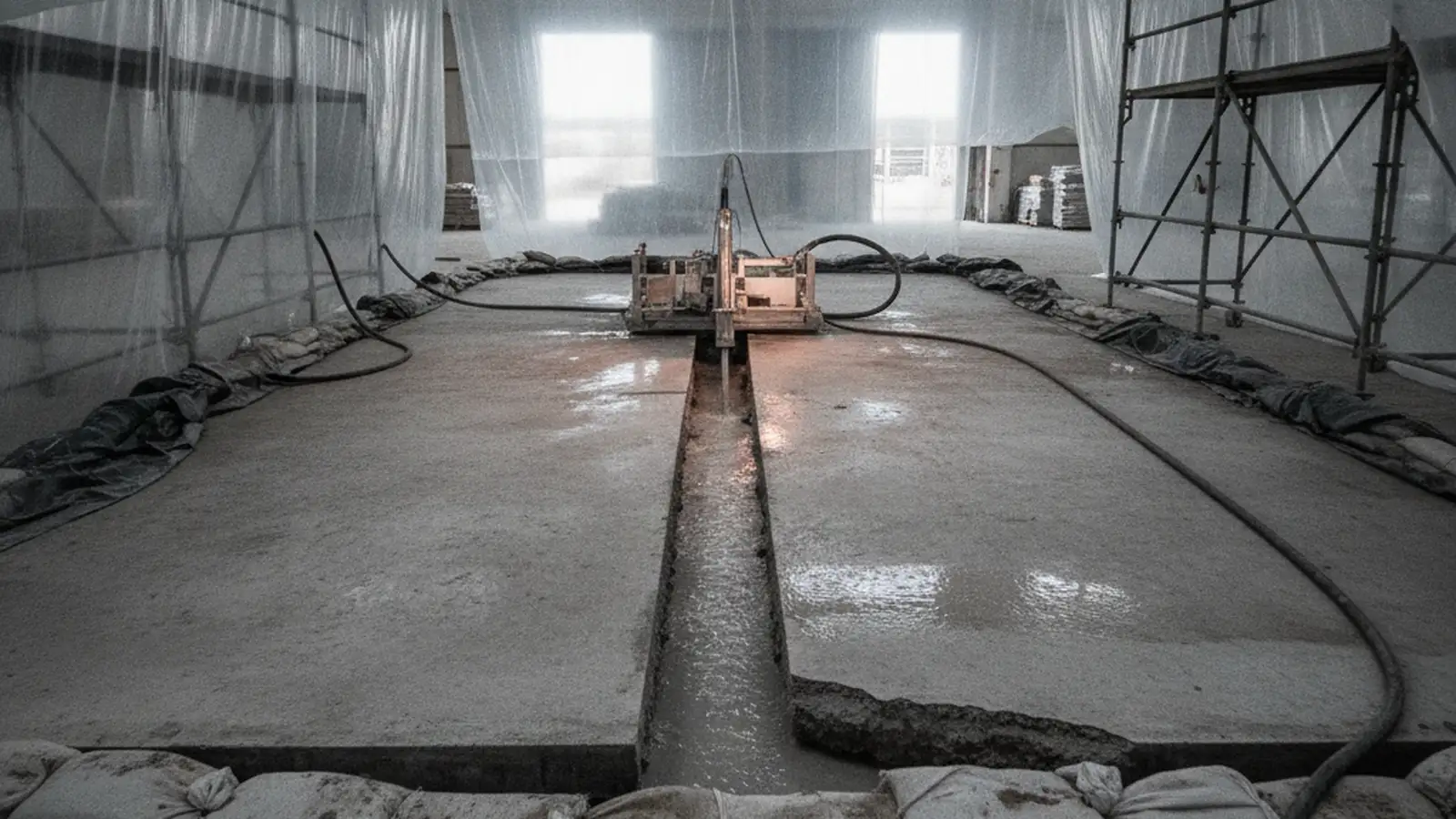 04
Concrete
Concrete Cutting and Removal
Slab openings, stair and shaft penetrations, and breaking out old pads and housekeeping curbs. Cut clean, broken down to liftable pieces, and carried out.
Concrete cutting and removal
04
Concrete
Concrete Cutting and Removal
Slab openings, stair and shaft penetrations, and breaking out old pads and housekeeping curbs. Cut clean, broken down to liftable pieces, and carried out.
Concrete cutting and removal
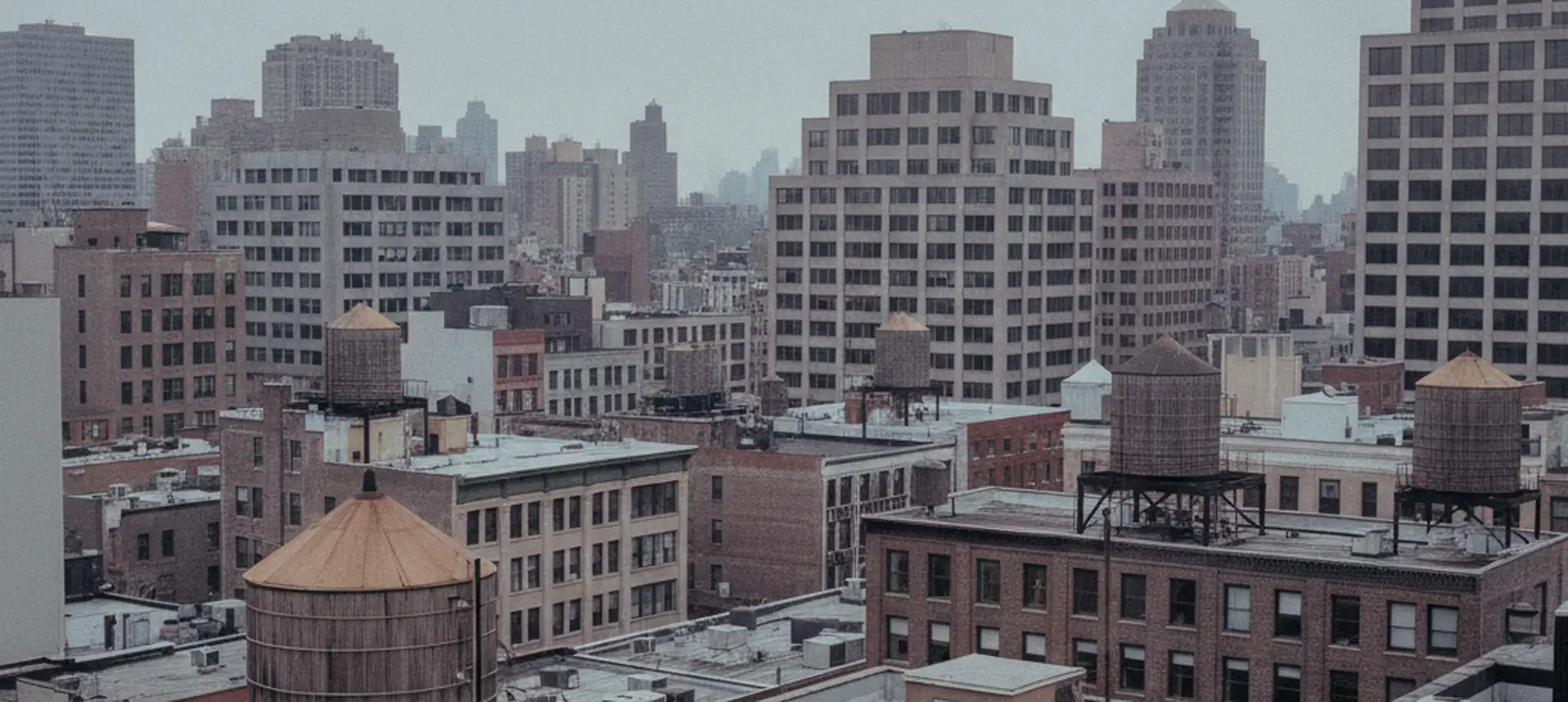
Midtown Manhattan rooftops
Before anything comes down
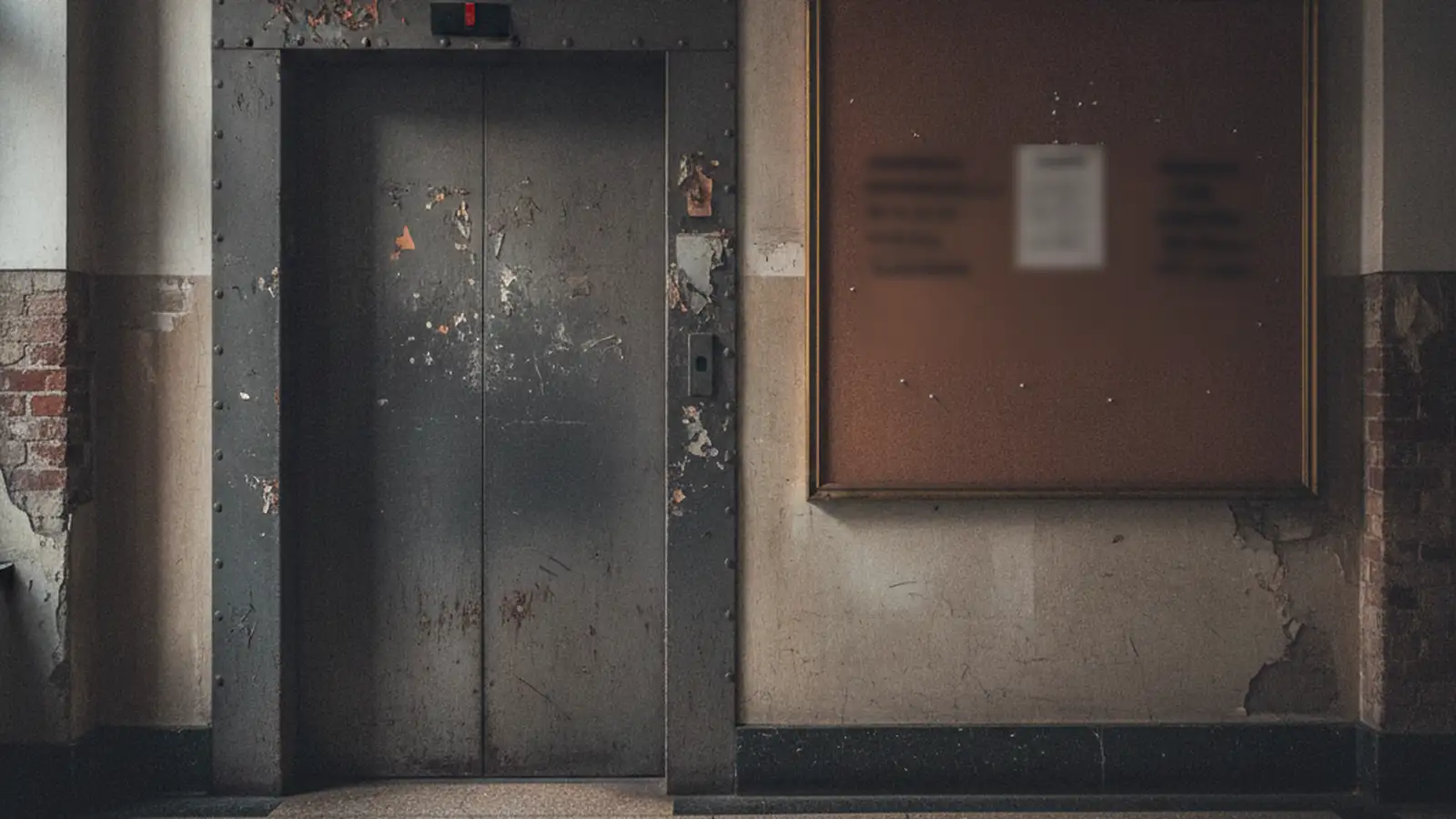
Two things decide when a Manhattan job can actually start, and both of them sit ahead of the work.
The asbestos assessment. For a building put up before 1 April 1987, the city wants an asbestos assessment on file before the Department of Buildings will issue a permit for work that could disturb material. A DEP certified asbestos investigator does the inspection and files Form ACP-5. Most of Manhattan was built well before that date, so on most jobs here this is the first gate, not an unusual one.
The hours. Construction work runs 7:00 AM to 6:00 PM on weekdays. Anything earlier, later, or at the weekend needs an After Hours Variance from the city, and that has to be filed a few business days ahead.
We will tell you where your job sits on both of these on the first call, before you have spent anything. How permits and building access work sets out the whole sequence.
How a job runs
-
Step 1 of 5
We walk the space
Ideally with you there. We look at what is coming out, what is staying, what the floor and the walls are actually made of, and how material will leave the building.
-
Step 2 of 5
You get a scope and a number
Written down, itemised, and tied to a sequence. If something is likely to change the figure once walls are open, we say so then rather than later.
-
Step 3 of 5
We protect, then we start
Corridors, lobbies, floors, elevators, and anything staying in the space. Protection goes in before the first wall does.
-
Step 4 of 5
We clear as we go
Debris does not sit in the space waiting for the end of the job. It leaves on the schedule the building gives us.
-
Step 5 of 5
You get the space back clean
Swept, clear, and ready for whoever is next in. We tell you what we found behind the walls, because your next trade will want to know.
Where we work
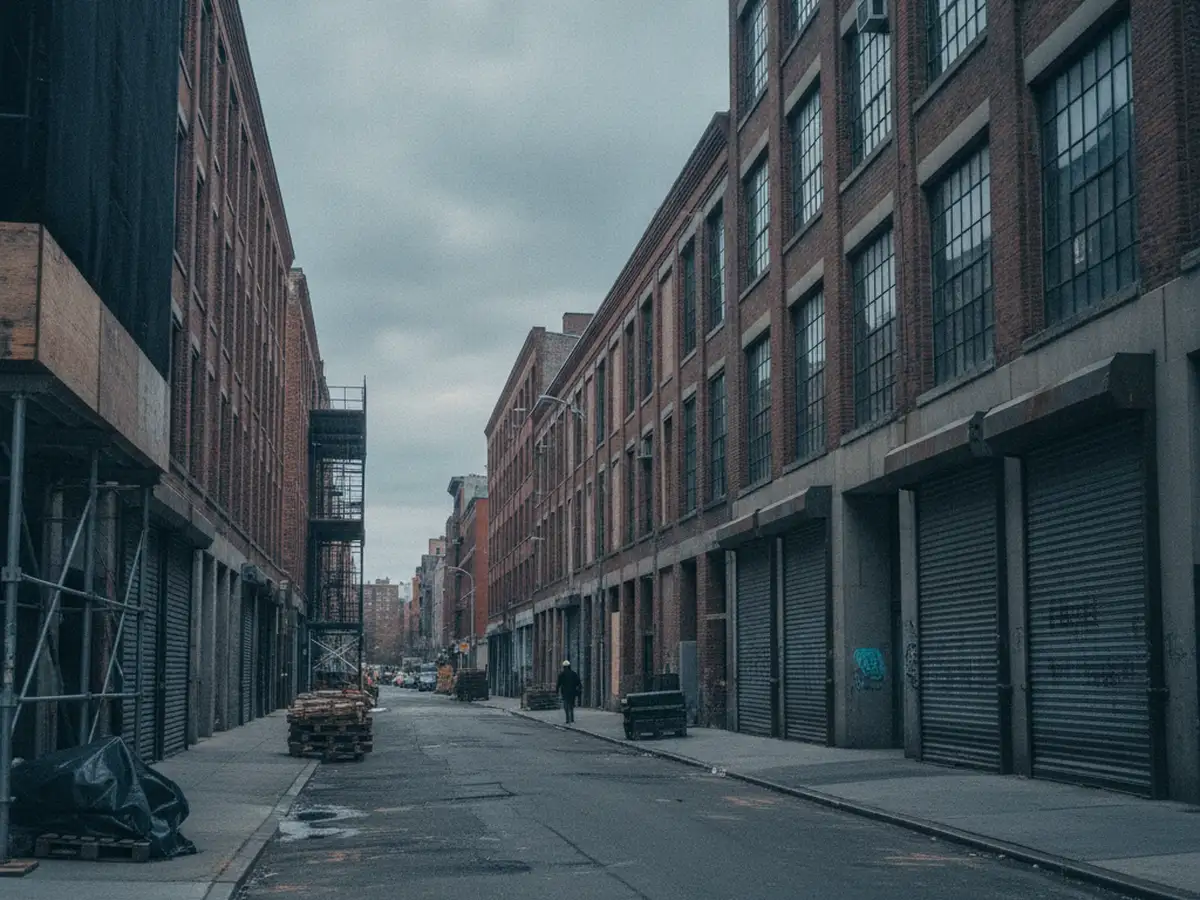
We are based on West 38th Street in the Garment District and we work across Manhattan.
The borough is not one job. A Garment District loft has a freight elevator and a floor plate you can move around. A Village walk-up has neither, and every load leaves on someone's shoulder. An Upper East Side co-op has an alteration agreement that governs the hours before the city's rules even apply.
Common questions
What is interior demolition?
Interior demolition means taking out the inside of a building while the building itself stays up. Walls, ceilings, floors, fittings, and services come out. The structure, the facade and usually the windows stay.
It is what most people mean when they say they need a space gutted before a fit-out or a renovation.
What drives the cost of a demolition job in Manhattan?
Less than people expect comes from the demolition itself. Most of the figure is decided by four things.
- How material gets out. A freight elevator you can book is one price. A five floor walk-up with a narrow stair is a different one, because it takes more people and more time.
- What you are taking out. Plaster on masonry is slower than drywall on studs. Concrete is slower again. Anything with tile, mortar bed or old flooring adhesive adds hours.
- When you can work. A job that fits inside the standard weekday window costs less than one that needs evenings or weekends, because after-hours work needs a variance and a crew outside normal hours.
- What has to be protected. An empty floor needs very little. An occupied building with a shared lobby and a working corridor needs a great deal.
We price against the actual space rather than a rate per square foot, because in this city the square footage is rarely the thing that decides it.
How soon can you start?
Usually sooner than the paperwork does.
If your job needs a Department of Buildings permit, the asbestos assessment has to be filed first, and the permit follows that. If your building is a co-op or a condo, the board and the managing agent will have their own approval to give, and that can take longer than the city's.
Call us early and we will tell you which of those apply to you. On work that needs none of it, we can start quickly.
Do you work in buildings that are still occupied?
Yes. In a Manhattan building that is the normal case rather than the exception.
It changes how the job is run. It does not change whether it can happen. Protection goes further, dust control matters more, noisy work gets grouped into agreed windows, and debris moves when the building lets it move instead of whenever it suits us. We agree all of that with the managing agent before we start.